
Warm Air
If the vents are blowing but the air does not feel cool enough, the problem is already affecting comfort.
You do not need to diagnose the whole system by yourself. These quick signs can help you decide when it is time to stop guessing and make the call.
Pay attention when the system is still running but the house is not feeling right. That is often the moment when calling makes more sense than waiting.
If the vents are blowing but the air does not feel cool enough, the problem is already affecting comfort.
Rooms can stay stuffy or uneven when airflow drops or delivery changes from vent to vent.
If the system seems to run longer without catching up, Arizona heat can make the problem more noticeable fast.
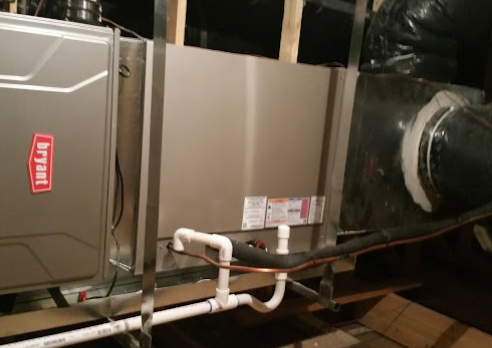
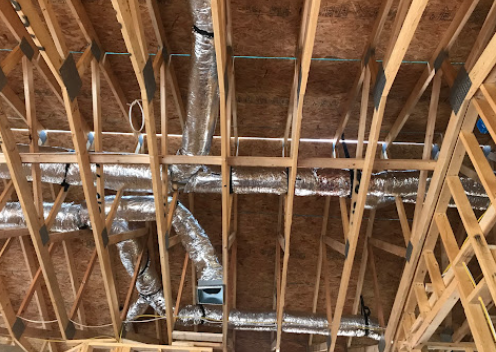
If one room cools down quickly while another never seems comfortable, the issue may involve duct layout, restrictions, or airflow delivery that is worth checking more closely.
People often notice the symptoms before they know whether the furnace, air handler, or airflow path is behind them. That is enough reason to call and ask questions.
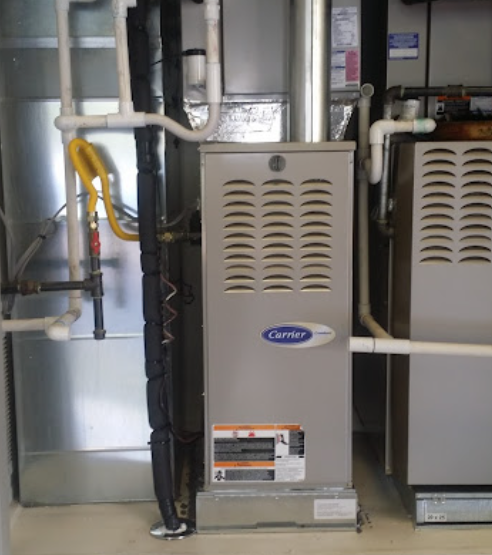
Arizona heat tends to expose weak airflow, tired cooling performance, and systems that are already under strain. If you have been noticing smaller signs, it is usually better to ask sooner than later.
Preparation does not have to be complicated. It starts by paying attention to how the house feels and whether the system is working harder than it used to.
If the house is not cooling like it should, waiting rarely makes the conversation easier later.
That can point toward a comfort issue that needs more than a thermostat adjustment.
If run time is climbing and comfort is dropping, it helps to get a clearer picture before the stress gets worse.
It is easier to decide when the explanation is based on what the system is actually doing.