
1
Call The Team
Use the phone first when the system is affecting comfort, airflow, or day-to-day use.
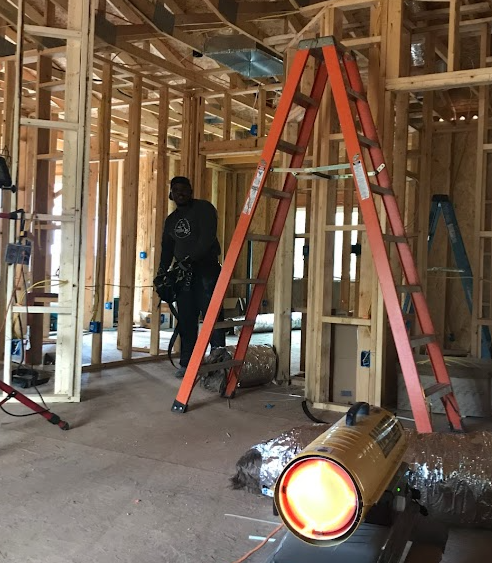
The goal is to reduce hesitation before the first call, explain what happens next, and keep the conversation practical instead of high-pressure.
Start with the problem. Confirm the area. Review the system. Talk through what makes sense next.
People are more likely to reach out when the contact path feels understandable. The service process should reduce pressure and make the next step easier to picture.
Use the phone first when the system is affecting comfort, airflow, or day-to-day use.
Warm air, weak airflow, noises, furnace trouble, or an installation question all give the conversation a useful starting point.
Clarify the Arizona / Phoenix-Mesa area location so the call stays grounded in the right service context.
Equipment, airflow, ductwork, or indoor unit concerns can then be checked more clearly.
Once the issue is clearer, the homeowner can better understand repair, service, or installation support.
The point is a cleaner decision, not a rushed one.
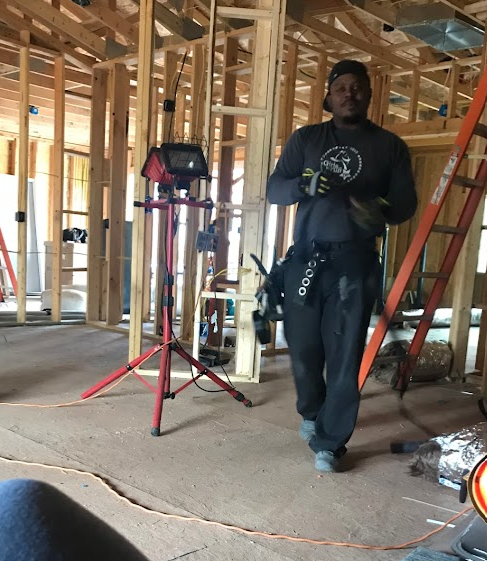
Many homeowners wait because they are not sure what will happen after they call. A calm process page helps them understand that they can start with the symptom and get a practical explanation from there.
That matters even more for a phone-first contractor.
That is normal. Start with what the system is doing and let the conversation move from there.
That still counts as a real problem. Weak airflow and uneven comfort often show up before a full breakdown.
Ductwork and airflow support are part of the conversation too, especially when room comfort is uneven.
Because direct contact usually gets the homeowner to a clearer next step faster than a buried form alone.